The history of jelly sweets begins with early fruit and starch-based treats and continues through to the colourful confectionery enjoyed today. Over time, new ingredients and production methods created a wider choice of flavours, shapes and textures.
Jelly-style confectionery existed long before modern gummy sweets. For example, early sweet makers used sugar, fruit and starch to create soft, chewy treats.
As confectionery developed, manufacturers experimented with different ingredients. Therefore, these early recipes helped shape the jelly sweets we recognise today.
Turkish delight is one well-known example of early jelly-style confectionery. Its soft texture traditionally comes from a mixture of sugar and starch.
Meanwhile, confectioners across Europe continued to create new recipes. As a result, jelly sweets became available in more flavours and textures.
The history of jelly sweets changed significantly when gelatine became more widely used in confectionery.
Gelatine helped sweets hold their shape while remaining soft and chewy. In addition, manufacturers could create more detailed moulds and consistent textures.
Consequently, jelly confectionery became easier to produce in a broad range of colours and designs.
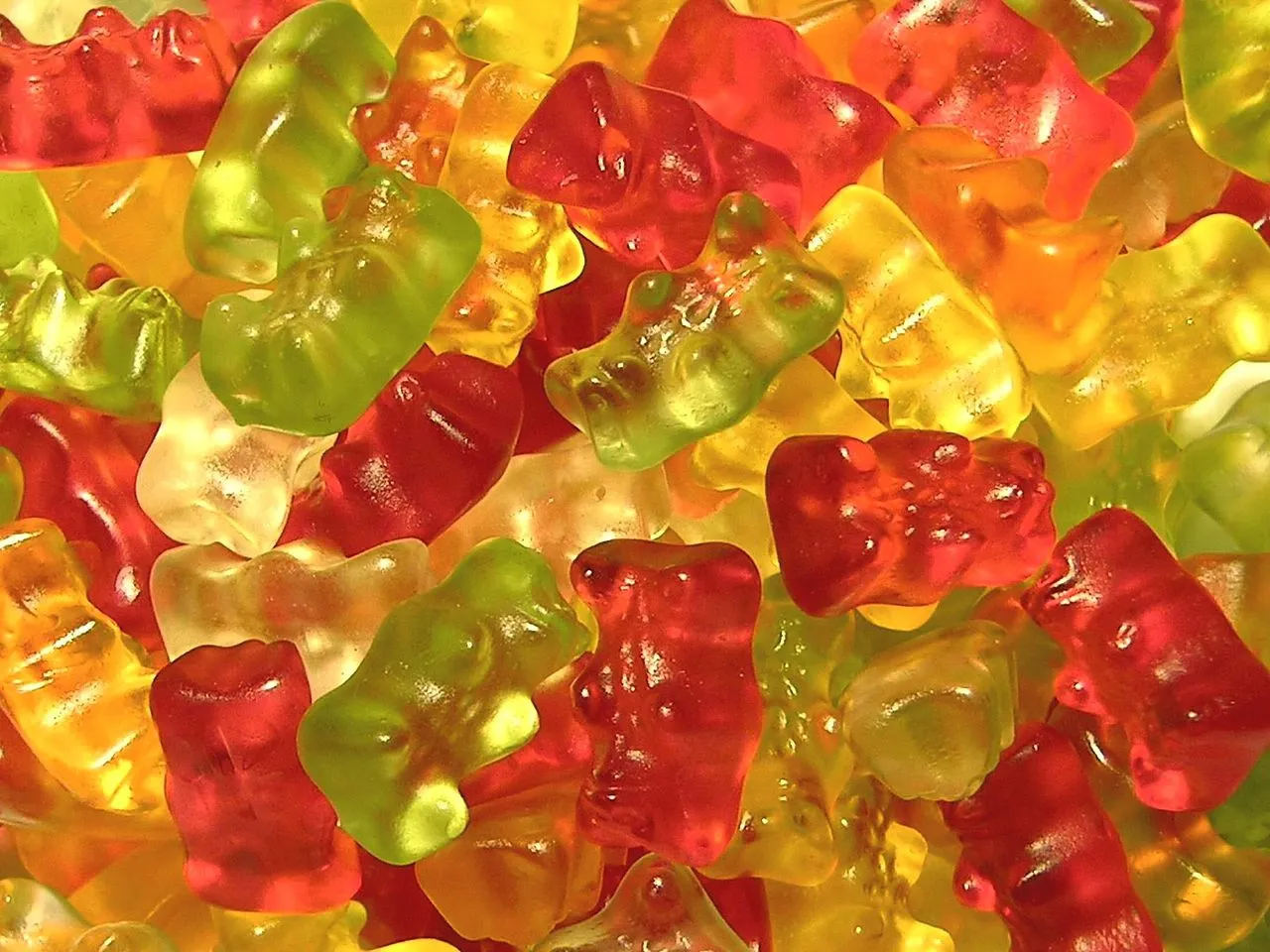
Gummy bears became one of the most recognisable forms of jelly confectionery during the twentieth century.
Their success encouraged manufacturers to develop many other shapes. For instance, jelly sweets are now available as bottles, rings, cherries, bears, snakes and fruit pieces.
As production technology improved, the variety of jelly sweets continued to grow.
For example, manufacturers introduced fruit flavours, fizzy coatings and sour sugar finishes. Meanwhile, improved moulding equipment allowed more detailed shapes to be created.
Therefore, modern jelly sweets now appeal to customers who enjoy many different flavours, colours and textures.
Modern production begins by preparing and mixing the required ingredients.
Next, flavours and colours are added to the mixture. Afterwards, the liquid is poured into moulds and allowed to set.
Some sweets then receive a fizzy or sugar coating. Finally, they are checked and packed into the required format.
For a closer look at the process, read our guide explaining how jelly sweets are made.
The modern history of jelly sweets also includes products designed for different dietary requirements.
For example, some recipes use plant-based ingredients instead of animal-derived gelatine. As a result, selected sweets may be suitable for vegan or vegetarian customers.
For further guidance, visit our Sweetzone Vegan Information page.
Sweetzone offers jelly confectionery in a wide range of flavours, colours, shapes and pack formats.
Customers can explore our large sweet tubs, mini bags, mini tubs and bulk 1kg jellies.
In addition, information about Sweetzone’s halal certification is available on our Halal Information page.
Independent certification information is also available from the official Halal Monitoring Committee website.
The history of jelly sweets shows how confectionery has developed through new ingredients, machinery and creative ideas.
However, their main appeal remains simple. Jelly sweets continue to be enjoyed for their bright colours, familiar shapes and wide variety of flavours.
For more product stories and company news, visit the Sweetzone Blog.